


Driving Productivity in the Age of Smart Manufacturing
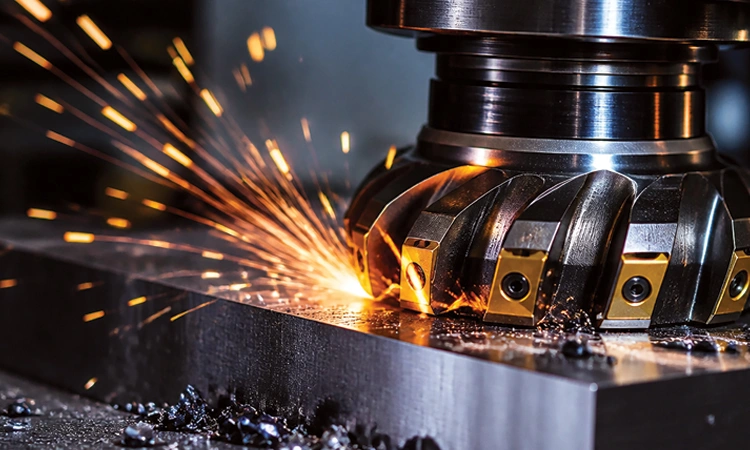
In the world of manufacturing, cutting tools are the unsung heroes that determine productivity, precision, surface finish, and overall machining efficiency. Whether it is the production of automobile components, aerospace structures, medical implants, molds and dies, or energy equipment, cutting tools play a pivotal role in transforming raw materials into high-value products.
As manufacturing technologies evolve rapidly across the globe, the cutting tool industry has demonstrated remarkable agility in keeping pace with changing requirements. Today’s cutting tools are no longer simple metal-removal instruments; they are highly engineered products incorporating advanced materials, sophisticated geometries, intelligent coatings, and digital technologies. The industry continues to innovate to meet the demands of modern manufacturing environments characterized by higher speeds, tighter tolerances, difficult-to-machine materials, and greater automation.
The Changing Face of Machining
Manufacturing today is vastly different from what it was a decade ago. Industries are increasingly machining exotic alloys, hardened steels, composites, titanium, Inconel, and other advanced materials that offer superior performance but present significant machining challenges.
At the same time, manufacturers seek shorter cycle times, enhanced tool life, reduced downtime, and improved process reliability. The rise of electric vehicles, aerospace manufacturing, renewable energy systems, and medical device production has further increased the need for specialized cutting solutions.
To address these challenges, cutting tool manufacturers worldwide are investing heavily in research and development, continuously introducing innovative products capable of delivering superior performance under demanding conditions.
Advances in Tool Materials
One of the most significant developments in the cutting tool industry has been the evolution of tool materials.
While high-speed steel continues to serve specific applications, carbide remains the dominant material for modern machining. Today’s carbide grades are engineered with optimized grain structures that provide an excellent balance between hardness, toughness, and wear resistance.
Beyond carbide, cutting tool manufacturers are increasingly utilizing advanced materials such as ceramics, cermets, cubic boron nitride (CBN), and polycrystalline diamond (PCD). These materials enable machining at significantly higher speeds and temperatures while maintaining dimensional accuracy and surface quality.
Particularly in aerospace and automotive sectors, PCD and CBN tools are gaining popularity for machining lightweight alloys and hardened materials where conventional tooling may not deliver satisfactory performance.
Coating Technologies Extend Tool Life
Tool coatings have become a major differentiator in modern machining operations.
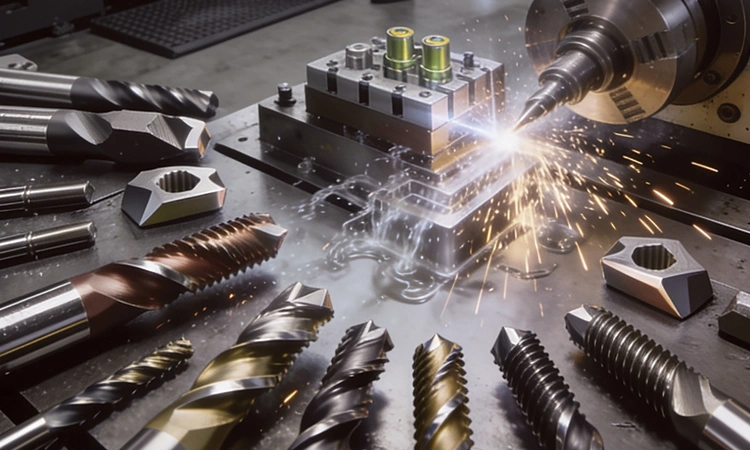
Advanced coatings such as Titanium Aluminum Nitride (TiAlN), Aluminum Titanium Nitride (AlTiN), Titanium Carbon Nitride (TiCN), and multi-layer nano coatings significantly enhance wear resistance and thermal stability.
These coatings enable tools to operate at higher cutting speeds while reducing friction and heat generation. As a result, manufacturers achieve longer tool life, improved surface finish, and increased productivity.
Recent developments in Physical Vapor Deposition (PVD) and Chemical Vapor Deposition (CVD) technologies have further improved coating performance. Nano-structured coatings and customized coating solutions are helping users optimize machining processes for specific materials and applications.
Tool Geometry Becomes More Sophisticated
Another area witnessing rapid advancement is tool geometry.
Modern cutting tools are designed using advanced simulation software and extensive application testing. Manufacturers carefully optimize rake angles, chip breakers, flute designs, edge preparations, and coolant channels to maximize cutting efficiency.
Specialized geometries allow improved chip evacuation, reduced cutting forces, and enhanced process stability. This is particularly important in high-speed machining and difficult-to-machine materials where chip control can significantly impact productivity.
Customized tool geometries are also becoming increasingly common as manufacturers seek solutions tailored to specific applications and production requirements.
Digitalization Enters the Cutting Tool Arena
The global manufacturing industry is embracing Industry 4.0 principles, and the cutting tool sector is evolving accordingly.
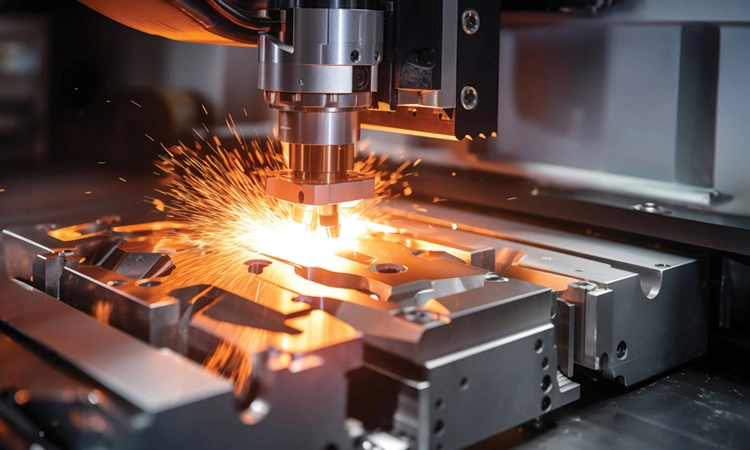
Smart tooling solutions equipped with sensors are enabling real-time monitoring of tool wear, cutting forces, vibration levels, and machining conditions. These technologies provide valuable data that can help prevent unexpected tool failures and optimize machining parameters.
Tool management systems integrated with manufacturing execution systems are helping companies track tool usage, inventory levels, and performance metrics more effectively.
Predictive maintenance, data analytics, and digital process monitoring are increasingly becoming part of modern machining strategies. As smart factories become more prevalent, intelligent cutting tools are expected to play a more significant role in enhancing manufacturing efficiency.
India’s cutting tool industry has made significant progress over the past decade. Domestic manufacturers are steadily upgrading their technological capabilities and introducing products that can compete with international offerings.
Sustainability Drives Innovation
Environmental considerations are increasingly influencing the direction of cutting tool development.
Manufacturers are focusing on extending tool life, reducing material consumption, minimizing waste, and lowering energy requirements during machining operations.
Dry machining and minimum quantity lubrication (MQL) techniques are gaining acceptance in many industries as companies seek to reduce coolant consumption and improve environmental performance.
Tool manufacturers are responding by developing coatings and geometries specifically optimized for dry and near-dry machining applications. These innovations not only support sustainability objectives but also contribute to lower operating costs.
Meeting the Demands of Emerging Industries
The growth of emerging industries is creating exciting opportunities for cutting tool manufacturers.
Electric vehicle production requires specialized tools for machining battery housings, motor components, lightweight aluminum structures, and precision assemblies. Aerospace manufacturing demands high-performance tools capable of machining titanium and nickel-based superalloys with exceptional accuracy.
Similarly, medical device manufacturing requires micro-machining tools capable of producing intricate components with stringent quality requirements.
Renewable energy sectors, including wind and solar power equipment manufacturing, are generating additional demand for advanced cutting solutions.
As these industries continue to expand globally, cutting tool manufacturers are developing highly specialized products tailored to their unique machining challenges.
The Indian Cutting Tool Industry Rises to the Challenge
India’s cutting tool industry has made significant progress over the past decade. Domestic manufacturers are steadily upgrading their technological capabilities and introducing products that can compete with international offerings.
The growth of automotive, aerospace, defense, railway, electronics, and general engineering sectors has created a robust domestic market for cutting tools. Government initiatives promoting local manufacturing and self-reliance have further encouraged investments in indigenous tool development.
Indian companies are increasingly focusing on advanced carbide tooling, indexable inserts, special-purpose tooling, and customized machining solutions. Several manufacturers are also investing in coating technologies and modern production facilities to enhance competitiveness.
While imported products continue to dominate certain high-end applications, Indian manufacturers are narrowing the technology gap through innovation and customer-centric product development.
Challenges
Despite the positive outlook, several challenges persist.
The industry faces intense competition from global suppliers, particularly in premium tooling segments. Volatility in raw material prices, especially tungsten and cobalt, can impact profitability.
Additionally, the rapid pace of technological change requires continuous investment in research, manufacturing infrastructure, and workforce development.
The shortage of skilled application engineers capable of optimizing complex machining processes remains another concern. Addressing these
challenges will be critical for sustaining long-term growth.
Looking Ahead
The future of the cutting tool industry appears exceptionally promising. As manufacturing becomes increasingly sophisticated, the demand for advanced cutting solutions will continue to rise.
The convergence of advanced materials, smart manufacturing technologies, automation, and sustainability initiatives is creating new opportunities for innovation. Tool manufacturers that embrace these trends and invest in technological advancement will be best positioned to succeed.
Conclusion
The cutting tool industry has consistently demonstrated its ability to evolve alongside global manufacturing trends. From advanced tool materials and coatings to digital monitoring and application-specific solutions, the sector continues to push the boundaries of machining performance.
As industries worldwide pursue greater productivity, precision, and sustainability, cutting tools will remain at the heart of manufacturing excellence. By embracing innovation and technological progress, the cutting tool industry is not merely keeping pace with global advancements-it is helping shape the future of manufacturing itself.