

Close Menu

    Subscribe to Updates

    Get the latest creative news from FooBar about art, design and business.

    What's Hot

    AMTEX 2026 – Machine Tools World connected with Ms. Winnie

    September 7, 2026

    AMTEX 2026 – Machine Tools World connected with Mr. Vaibhav Shah

    September 4, 2026

    AMTEX 2026 – Machine Tools World connected with MR. G. Sadanandam

    September 3, 2026
    Facebook X (Twitter) Instagram
    • About Us
    • Contact US
    • Advertise
    • Subscribe Magazine
    Publications Media Kit
    Facebook Instagram YouTube LinkedIn WhatsApp X (Twitter)
    Machine Tools World | Machine Tools Industry News | CNC Machine Manufacturers | Indian Manufacturing MagazineMachine Tools World | Machine Tools Industry News | CNC Machine Manufacturers | Indian Manufacturing Magazine
    Takasu
    • HOME
    • NEWS
      • Global Market
      • Latest News
      • Product Updates
    • MACHINING
      • CNC Machines
      • Cutting Tools
      • Metal Cutting
      • Metal Forming
      • EDM
      • Grinding
      • Die & Mould
      • Metalworking Fluids
    • AUTOMATION
      • Smart Automation
      • CAD/CAM
      • Machine Safety
    • METROLOGY
      • Metrology
      • Inspection Systems
      • Quality Control
    • INSIGHTS
      • People in Focus
      • Case Studies
      • Opinion
      • Company Profiles
      • Tech Innovations
      • Blogs
    • EVENTS
      • Event Coverage
      • Webinars
    • DIGITAL MAGAZINE
    Machine Tools World | Machine Tools Industry News | CNC Machine Manufacturers | Indian Manufacturing MagazineMachine Tools World | Machine Tools Industry News | CNC Machine Manufacturers | Indian Manufacturing Magazine
    Home - Blogs - How viable is additive manufacturing?
    Blogs

    How viable is additive manufacturing?

    DINESH GBy DINESH GFebruary 15, 2020Updated:July 30, 2020No Comments1 Views
    Facebook Twitter Pinterest LinkedIn WhatsApp Reddit Tumblr Email
    How viable is additive manufacturing
    Share
    Facebook Twitter LinkedIn Pinterest Email

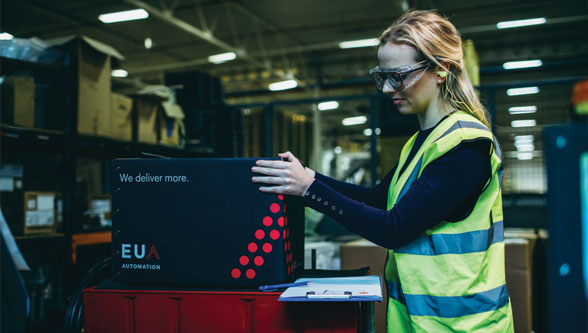
    In 1984, Charles Hull invented the first 3D printer, which used stereolithography to build up a plastic product layer by layer. Over 35 years later, additive manufacturing (AM) is drastically altering a range of industries, from manufacturing to the medical sector. But what are the limitations of the technology? John Young, APAC Director, EU Automation, shares some insights

    In some applications, component manufacturing is shifting away from traditional subtractive machining methods and towards additive manufacturing techniques. The broadening of the applications of AM is causing manufacturers to assess the viability of using it in their own facilities. To do this, there are a few considerations to make before turning to 3D technology.

    Quality not quantity

    When moving from one manufacturing method to another, quality is a huge factor, particularly in highly regulated industries like aerospace and medical devices. In fact, quality has been one of the major hurdles to the widespread adoption of additive manufacturing. One critical consideration is that quality and consistency must be the same machine to machine, regardless of location.

    Powder bed fusion is one of the most frequently used additive manufacturing methods and there is a possibility that it may introduce defects. However, if the process has a constant thermal gradient, it can prevent warping of the product, avoiding the introduction of defects due to incorrect temperatures. Another concern is that unsintered powder will degrade as a result of heat exposure and that this could impact quality, although regular changing of the powder can prevent this from becoming an issue.

    When investing in an AM system, manufacturers can overcome quality concerns by working with an experienced partner, who provides training and support on best practice. Those looking to invest in AM parts produced elsewhere should be mindful of their supplier’s approach to quality, to ensure that what they are purchasing meets specifications.

    The perfect material

    Polymers, ceramics and metals can all be 3D printed, although plastic 3D printing remains the most popular. While it is feasible to print many materials, some are more suited to the process than others — choosing the wrong material will also impact quality. If you are manufacturing a product from a material unsuited to AM, you may have to rethink your options, either to change the material or opt for a subtractive process.

    Ultimately, it won’t usually make good economic sense to switch to AM from conventional manufacturing, unless AM offers significant benefits to the application, for example by making it lightweight. However, if your design is extremely complex and will require expensive custom tooling, AM may be a better option.

    Additive manufacturing is a fantastic technology that has brought great design freedom to many applications. However, it is not a one-size-fits-all approach. Companies should think carefully about whether a component really needs to be produced by AM, considering the cost, productivity and practicality of incorporating AM into their process. In many situations, producing and sourcing parts the old-fashioned way — ordering them from a reliable supplier — is the best approach.

    For more information,
    www.euautomation.com

    Read more about additive manufacturing

    Post Views: 383
    3D printing Additive Manufacturing component manufacturing subtractive machining methods
    Share. Facebook Twitter Pinterest LinkedIn Tumblr Telegram Email
    DINESH G

      Related Posts

      Precision Machining for Aerospace : Challenges & Innovations

      August 20, 2026

      Automation Beyond Robotics : The Next Frontier of Smart Manufacturing

      August 20, 2026

      Indian Ingenuity Meets Global Innovation in PVD Coating Excellence

      July 24, 2026
      Leave A Reply Cancel Reply

      Top Posts

      Machine Tools World August 2025

      August 25, 20252,468

      3D Printing: India’s Next Manufacturing Frontier

      June 14, 2025143

      Vertical and Horizontal Milling Machines: Key Points of Difference

      August 7, 2021195

      Gravity Die Casting and the Importance of Die Coats

      June 29, 202399
      Don't Miss
      Event Coverage

      AMTEX 2026 – Machine Tools World connected with Ms. Winnie

      By MTW Editorial TeamSeptember 7, 20262

      AMTEX 2026 | Taiwan Pavilion At AMTEX 2026, we connected with Ms. Winnie at the…

      AMTEX 2026 – Machine Tools World connected with Mr. Vaibhav Shah

      September 4, 2026

      AMTEX 2026 – Machine Tools World connected with MR. G. Sadanandam

      September 3, 2026

      AMTEX 2026 – Machine Tools World connected with Abhishek Mahamuni

      September 1, 2026
      Stay In Touch
      • Facebook
      • Twitter
      • Pinterest
      • Instagram
      • YouTube
      • Vimeo

      Subscribe to Updates

      Get the latest creative news from SmartMag about art & design.

      About Us
      About Us

      MACHINE TOOLS WORLD magazine is a monthly machine tool industry magazine in India since from last 10 years, catering to Indian & global machine tools, CNC machine manufacturers, Cutting tools, Metal Forming Machine Manufacturers, CAD-CAM, Metrology, Lubricant, Grinding Machine Players.

      Facebook X (Twitter) Instagram YouTube LinkedIn WhatsApp
      Our Picks

      Precision Machining for Aerospace : Challenges & Innovations

      August 20, 2026

      Automation Beyond Robotics : The Next Frontier of Smart Manufacturing

      August 20, 2026

      Taiwan Showcases Smart Manufacturing Solutions at AMTEX 2026

      July 25, 2026

      Subscribe to Updates

      Get the latest news, product insights, and expert opinions from the world of machine tools and manufacturing, delivered straight to your inbox.

      © 2026 MachineToolsWorld.
      • Terms & Conditions
      • Privacy Policy
      • Disclaimer Policy

      Type above and press Enter to search. Press Esc to cancel.

      Prisma Banner