


By Ish Mohan Garg, Senior Vice President, Calderys APAC Region
Steelmaking today is happening at an extraordinary scale. Global crude steel production reached about 1,849 million tonnes in 2025, and while China continues to dominate volumes, India’s production is growing at a healthy pace. In December 2025 alone, India produced around 14.8 million tonnes of crude steel, up over 10 percent year on year. This steady rise reflects not just capacity expansion, but the growing importance of reliable, resilient operations in Indian steel plants.
At the same time, steel producers across India and the wider APAC region have been dealing with repeated supply chain disruptions. Global shipping delays, container shortages, currency volatility, and geopolitical uncertainties have made the sourcing of critical refractory materials far less predictable than it used to be. When these materials arrive late, the impact goes well beyond logistics. It affects shutdown planning, furnace availability, working capital tied up in safety stock, and the ability to respond quickly to unplanned outages.
Basic monolithics are a backbone of modern steelmaking, used in some of the most demanding zones of furnaces and vessels. Relying heavily on imports for such mission critical materials forces steel plants into reactive sourcing. Domestic manufacturing of basic monolithics marks a shift toward more deliberate, strategic supply chain planning.
From import dependence to supply chain resilience
Local manufacturing fundamentally changes how steel plants manage their supply chains. When basic monolithics are produced closer to the point of use, lead times shrink dramatically. What used to take several weeks, including shipping and customs clearance, can now be planned in days. This makes just in time supply much more feasible, and the need for large safety stocks at the site is eliminated.
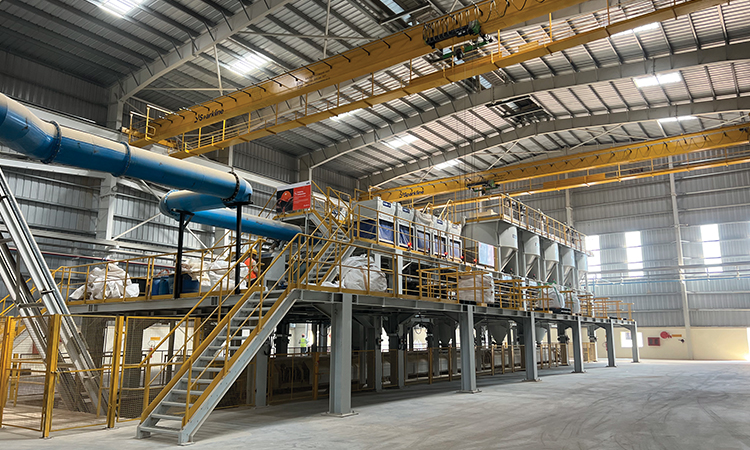
Lower levels of inventory directly alleviate the working capital burden. Steel manufacturers can free up funds that would otherwise be tied up in inventory as buffer stock. Local sourcing also mitigates risks associated with global disruptions in shipping, unexpected increases in freight costs, and exchange rate fluctuations that could unpredictably drive procurement budgets up. One clear sign of this shift is the commissioning of Calderys’ basic monolithics line at its CAPES plant in Odisha, which is bringing large-scale domestic production of critical refractories closer to Indian steelmakers and easing reliance on imports.
In addition, local availability makes maintenance planning more manageable. Furnace relining schedules, shutdown periods, and hot repairs become more manageable when materials can be supplied on a reliable and shorter notice basis. This, in turn, helps to build actual supply chain resilience over time. Steel plants move from constantly firefighting supply risks to planning operations with greater confidence and stability, which is especially important as production volumes continue to grow in markets like India.
Engineering basic monolithics for high-performance steelmaking
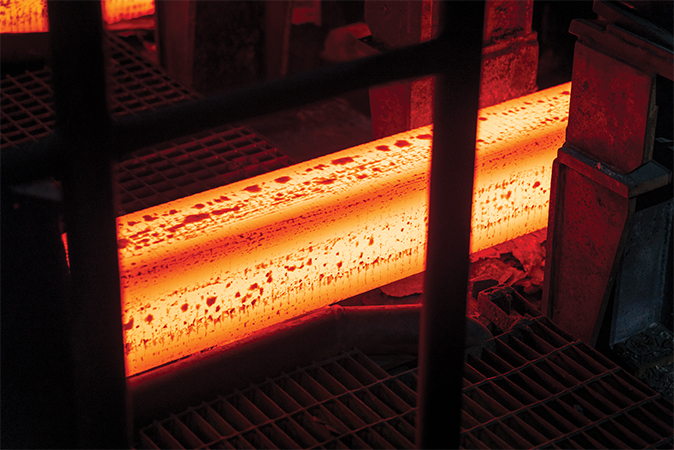
Basic monolithics play a critical role in steelmaking operations such as electric arc furnaces, energy optimizing furnaces, ladles, tundishes, and degassing units. These areas face intense thermal cycling, aggressive slags, and constant mechanical stress. Performance in such conditions depends on more than just having material available. It depends on how well the refractory is engineered for the specific application.
High-performance basic monolithics must balance several properties at once. Thermal shock resistance is essential for zones with frequent temperature changes. Slag corrosion resistance protects linings from chemical attack. Good sinterability and coating adhesion help create dense, protective working layers that extend campaign life. Tailored raw material selection and binder systems are what make these properties consistent in real operating conditions.
When the manufacturing is localized, the formulation can be further refined based on the feedback from the steel plants operating under similar conditions. This helps refractory solutions evolve in sync with the changing furnace practices, scrap composition, and productivity requirements. In critical steel plants, the consistency of performance is as important as availability. A refractory that works well can minimize downtime and ensure consistency in production, which in turn helps in maximizing productivity, and ultimately supports throughput and cost control.
Manufacturing excellence as a supply chain differentiator
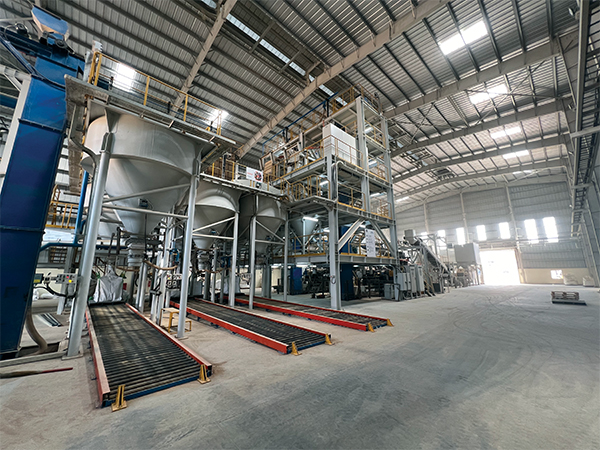
Manufacturing quality is a silent but powerful part of the supply chain. Advanced local manufacturing setups allow tighter quality control, better traceability of raw materials, and more consistent batch to batch performance. In-house raw material processing,
automated batching systems, and specialized mixing technologies reduce human error and improve reproducibility.
Manufacturing closer to the end user also makes it easier to adapt production volumes and packaging formats to customer needs. Routine consumption can be facilitated by having fixed production planning, whereas surge in demand during major shutdowns or unexpected outages can be handled by having quicker response times. This agility is a true gamechanger in sectors where time is of the essence and any delay can easily mean lost production.
Over time, consistent manufacturing excellence builds confidence in the supply chain. Steel producers gain trust that what they order will perform as expected, when they need it. That confidence reduces risk in maintenance planning and encourages longer-term partnerships rather than purely transactional sourcing decisions.
Beyond products: The role of technical partnership in supply chains
Modern supply chains in the steel industry are no longer just about moving materials from factory to site. They depend heavily on technical partnership. Local manufacturing makes it easier to provide on-site application support, troubleshooting, and performance monitoring. Engineers can work closely with operations teams during installations, dry-outs, and campaign reviews.
Continuous feedback loops are essential. When performance data from furnaces flows back into product development, formulations can be refined to suit specific operating conditions. This kind of collaboration improves lining life and hot repair efficiency over time. It also helps steel plants adapt refractories to new operating practices, higher productivity targets, or changes in raw material quality.
Trust, transparency, and collaboration sit at the heart of this relationship. When suppliers and steel producers work as partners, downtime risks reduce and asset life cycle management improves. The supply chain becomes a shared responsibility, not just a procurement function.
Conclusion: Building a stronger, smarter steel supply chain from within
The domestic production of basic monolithics improves the steel industry’s supply chains in three basic ways. It increases reliability by shortening lead times and making the industry less vulnerable to global disruptions. It improves cost efficiency by reducing inventory burdens and stabilizing procurement economics. And it increases operational agility by enabling faster response to both planned and unplanned maintenance needs.
Import substitution is only part of the story. The bigger shift is in supply chain quality. Local production, backed by strong manufacturing practices and technical partnership, upgrades how steel plants secure performance assurance over the long term. It supports resilience, consistency, and strategic autonomy in a sector where downtime is costly and predictability is valuable.
As steelmakers look to future-proof their operations in a world where production volumes are rising and supply chains remain uncertain, building from within becomes more than a tactical choice. It becomes a foundational strategy for competitiveness, reliability, and sustained performance.

Ish Mohan Garg
Senior Vice President,
Caldery APAC Region