


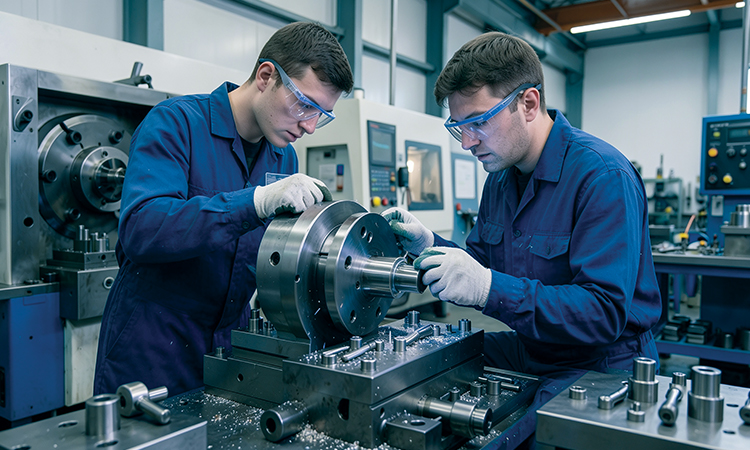
In every machine tool, the spindle occupies a position of paramount importance. Often referred to as the heart of the machine, the spindle directly influences machining accuracy, surface finish, productivity, and overall equipment effectiveness. Whether in machining centers, grinding machines, lathes, or specialized manufacturing systems, spindle performance determines the quality of the finished product and the efficiency of the machining process.
However, like all mechanical systems operating under demanding conditions, spindles are subject to wear and deterioration over time. High rotational speeds, continuous loading, thermal stresses, contamination, and inadequate maintenance can gradually affect spindle performance. Consequently, spindle maintenance and rejuvenation have emerged as critical aspects of machine tool management, enabling manufacturers to restore performance, extend machine life, and avoid costly replacements.
Understanding the Importance of Spindles
Modern machine tool spindles are sophisticated assemblies comprising precision bearings, shafts, housings, lubrication systems, drawbars, tool clamping mechanisms, and cooling arrangements. They are designed to operate with exceptional precision, often maintaining micron-level tolerances at rotational speeds exceeding 20,000 rpm.
A healthy spindle ensures dimensional accuracy, smooth operation, consistent surface finish, and optimal cutting conditions. Conversely, spindle degradation can result in vibration, chatter, poor surface quality, reduced tool life, dimensional inaccuracies, and unplanned downtime. Given the substantial investment involved in acquiring advanced machine tools, maintaining spindle health becomes a strategic necessity rather than a routine maintenance task.
Common Causes of Spindle Failure
Spindle failures rarely occur suddenly. Most failures develop gradually due to a combination of mechanical, operational, and environmental factors.
Bearing wear remains one of the most common causes of spindle deterioration. High-speed operation subjects bearings to significant loads and temperatures, eventually leading to fatigue and reduced performance. Contamination is another major contributor. Dust, coolant ingress, metal chips, and foreign particles can compromise bearing integrity and lubrication effectiveness. Improper lubrication, whether excessive or insufficient, can also accelerate wear.
Thermal expansion resulting from prolonged operation may affect spindle geometry and accuracy. Additionally, tool crashes, excessive cutting forces, improper balancing, and poor operating practices can cause severe spindle damage. Recognizing these factors and addressing them proactively is essential for maximizing spindle longevity.
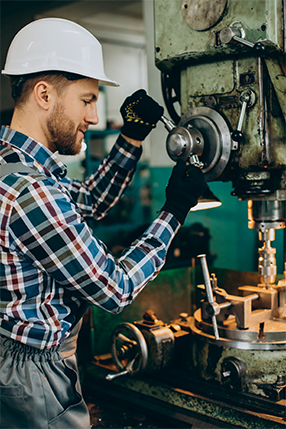
Early Warning Signs Should Not Be Ignored
Spindles often provide warning signals long before catastrophic failure occurs. Increased vibration levels are among the earliest indicators of potential problems. Operators may also notice unusual noises, elevated operating temperatures, reduced machining accuracy, poor surface finish, or increased tool wear.
Changes in spindle runout, inconsistent cutting performance, and unexpected alarms generated by machine monitoring systems can also indicate developing issues. Modern condition monitoring technologies enable manufacturers to detect these symptoms at an early stage, allowing corrective action before major damage occurs. Ignoring these warning signs frequently leads to more extensive repairs, longer downtime, and significantly higher maintenance costs.
Preventive Maintenance: The First Line of Defense
The most effective strategy for ensuring spindle reliability is preventive maintenance. Regular inspection of lubrication systems, cooling circuits, tool holders, drawbar mechanisms, and bearing conditions can help identify potential issues before they escalate. Scheduled vibration analysis and thermal monitoring provide valuable insights into spindle health.
Proper machine housekeeping is equally important. Preventing contamination from chips, dust, and coolant significantly reduces the risk of bearing damage and lubrication failures.
Operators should also follow recommended spindle warm-up procedures, particularly in high-speed machining applications. Gradual temperature stabilization minimizes thermal stresses and contributes to longer spindle life. A disciplined preventive maintenance program not only enhances reliability but also improves overall machine utilization.
The Rejuvenation Process
When spindle performance declines beyond acceptable limits, rejuvenation offers a cost-effective alternative to complete replacement. Spindle rejuvenation typically begins with a comprehensive diagnostic assessment. Technicians evaluate vibration characteristics, bearing condition, shaft integrity, housing geometry, drawbar performance, and overall spindle accuracy.
The spindle is then carefully disassembled and inspected. Worn bearings, seals, springs, and other components are replaced. Critical components such as shafts, tapers, and housings are examined for wear, scoring, corrosion, or dimensional deviations. Where necessary, precision grinding, reconditioning, or component replacement is performed to restore original specifications. Advanced balancing techniques ensure smooth operation at rated speeds.
Following reassembly, the spindle undergoes rigorous testing for vibration, temperature stability, runout, and operational performance before being returned to service.
Advances in Spindle Repair Technology
Spindle rejuvenation has evolved considerably in recent years. Modern repair facilities employ sophisticated diagnostic equipment capable of detecting minute deviations in spindle performance. Laser measurement systems, vibration analyzers, dynamic balancing machines, and precision inspection instruments enable highly accurate assessments.
Computerized testing platforms simulate operating conditions and verify spindle performance under controlled environments. Advanced bearing technologies and improved lubrication systems further enhance reliability following refurbishment. Many service providers now offer predictive maintenance programs that combine sensor data, vibration analysis, and performance monitoring to anticipate failures before they occur. These technological advancements have significantly improved the effectiveness and reliability of spindle repair and rejuvenation services.
Spindles are among the most critical and expensive components of modern machine tools. Their performance directly impacts machining accuracy, productivity, and profitability. Consequently, spindle maintenance and rejuvenation have become indispensable elements of effective manufacturing operations.
Economic Benefits of Rejuvenation
Replacing a high-speed spindle can be an expensive proposition, particularly for sophisticated CNC machining centers and grinding machines. Lead times for new spindles may also be considerable, resulting in prolonged production disruptions.
Spindle rejuvenation offers a practical alternative. Refurbishment costs are typically a fraction of replacement expenses while restoring performance to near-original levels. The process extends machine life, enhances productivity, and minimizes capital expenditure. In many cases, manufacturers can achieve substantial savings without compromising machining quality or operational reliability.
For companies operating multiple machine tools, a structured spindle maintenance and rejuvenation strategy can deliver significant long-term financial benefits.
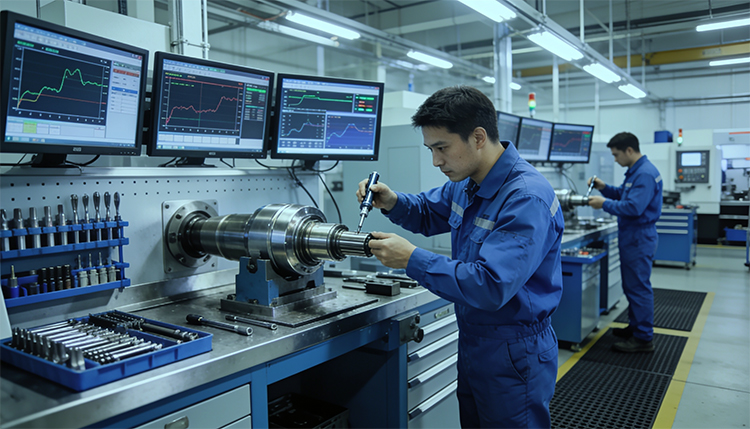
The Role of Skilled Expertise
Successful spindle rejuvenation requires specialized knowledge and experience. Spindles operate within extremely tight tolerances, making precision assembly and testing essential. Even minor errors during repair can adversely affect performance and reliability.
Therefore, manufacturers should partner with experienced spindle service providers equipped with appropriate diagnostic tools, skilled technicians, and quality assurance procedures. The availability of genuine replacement components and adherence to original equipment specifications further contribute to successful outcomes. Investing in qualified expertise ensures that refurbished spindles deliver the expected performance and service life.
Emerging Trends in Spindle Health Management
As manufacturing embraces Industry 4.0 principles, spindle maintenance is becoming increasingly data-driven. Smart sensors embedded within spindle systems now provide real-time information on vibration, temperature, speed, and load conditions. This data enables predictive maintenance strategies that identify developing problems before operational disruptions occur.
Artificial intelligence and machine learning algorithms are beginning to analyze spindle performance patterns, offering unprecedented insights into equipment health and maintenance requirements. The future will likely see wider adoption of connected spindle systems capable of self-diagnosis and automated condition reporting.
Conclusion
Spindles are among the most critical and expensive components of modern machine tools. Their performance directly impacts machining accuracy, productivity, and profitability. Consequently, spindle maintenance and rejuvenation have become indispensable elements of effective manufacturing operations.
Through preventive maintenance, condition monitoring, and timely refurbishment, manufacturers can significantly extend spindle life while maintaining optimal machine performance. Advances in diagnostic technologies and repair methodologies have made spindle rejuvenation more reliable and cost-effective than ever before.
In an increasingly competitive manufacturing environment, preserving spindle health is not merely a maintenance activity—it is a strategic investment in operational excellence, productivity, and long-term business success.